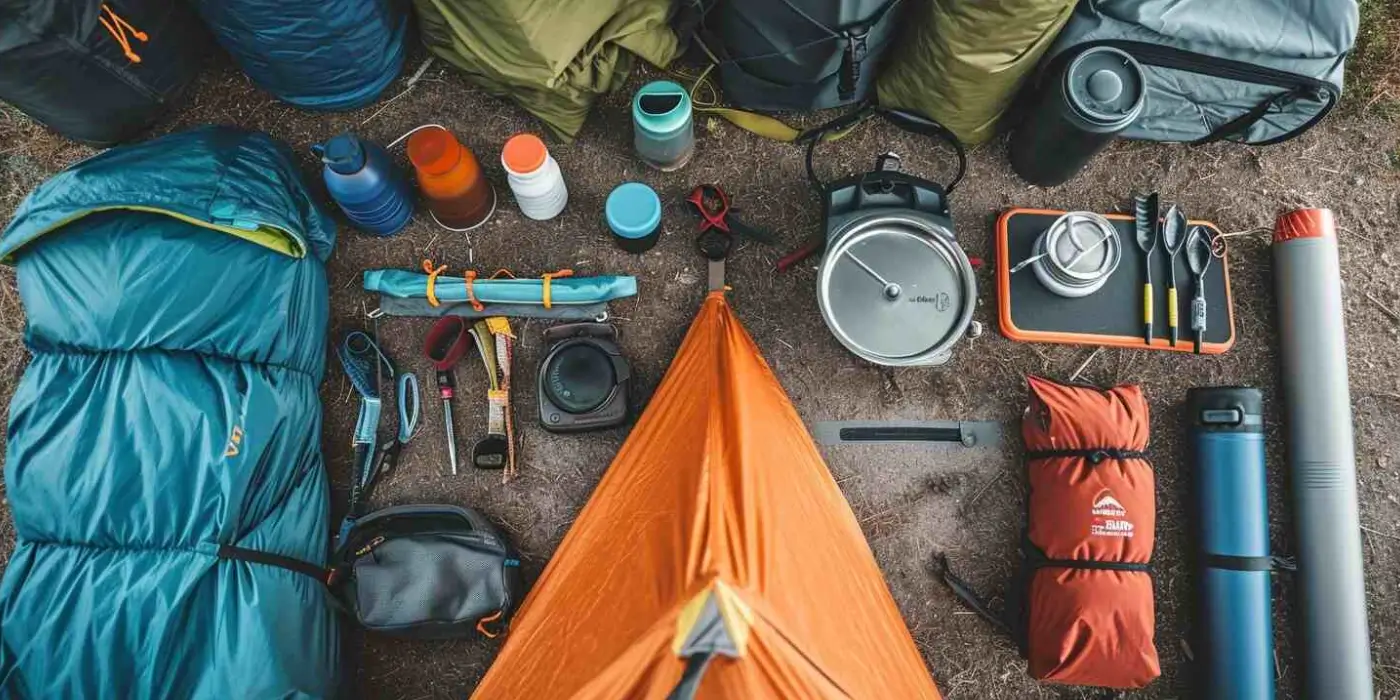
Packing for a trek in Cusco is about bringing the right things for the terrain, altitude, and climate you’ll actually face.
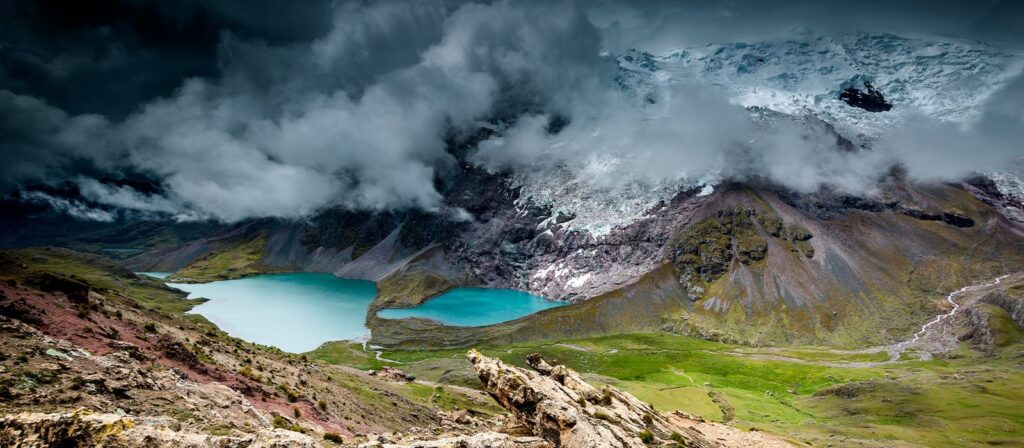
From snow-covered passes on the Salkantay and Ausangate Treks to the warmer, sun-exposed trails of Choquequirao, Cusco’s hiking routes vary dramatically. Weather can change in minutes, temperatures can swing wildly between day and night, and altitude adds another layer of challenge.
This guide is designed to simplify that process.
Instead of separate packing lists for every trek, we’ll break it down into:
- A core packing list for all Cusco treks
- Add-ons based on altitude and climate
- Trek-specific adjustments (Salkantay, Inca Trail, Lares, Ausangate, Choquequirao)
- Seasonal packing tips for dry vs wet season
Whether you’re hiking independently or joining a fully supported trek, this checklist will help you pack smart, stay comfortable, and avoid carrying unnecessary weight.
The Core Trekking Packlist (For All Cusco Treks)
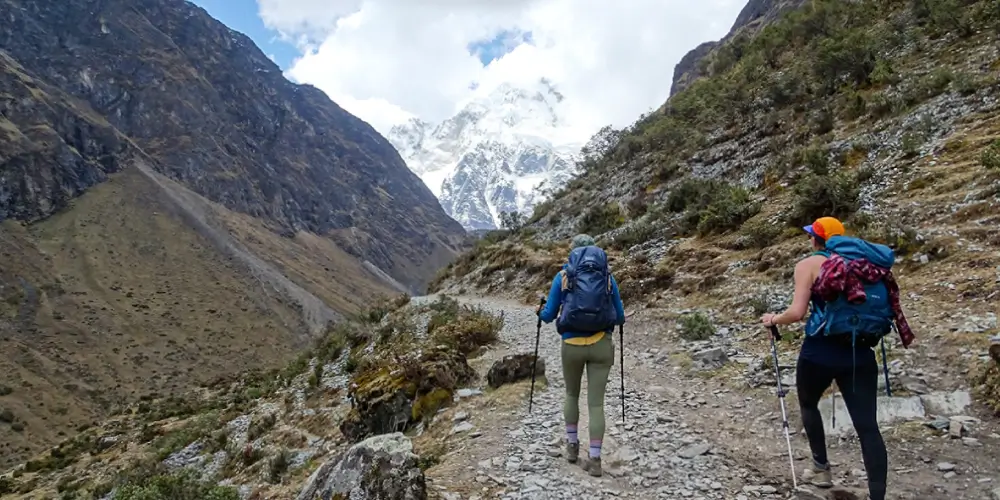
This is the foundation. Every trekker in Cusco, regardless of route, should start here.
Clothing: The Layering System
Layering is essential in Cusco. You’ll often hike in sun and warmth, then face freezing temperatures at night.
- Moisture-wicking base layers (tops and bottoms)
- Insulating mid-layer (fleece or lightweight down)
- Waterproof / windproof outer shell (jacket)
- Waterproof pants or rain shell
- Quick-dry trekking pants
- Lightweight trekking shirts (long sleeves recommended)
- Warm beanie or wool hat
- Sun hat or cap
- Buff or neck gaiter
- Lightweight gloves
Footwear
Your feet matter more than anything else.
- Well-broken-in trekking boots (ankle support recommended)
- Trekking socks (wool or synthetic, 3–5 pairs)
- Camp shoes or sandals (for evenings and rest days)
Daypack Essentials
Even on guided treks with porters or pack horses, you’ll carry a daypack.
- Daypack (25–35L)
- Refillable water bottles or hydration bladder
- Sunscreen (high SPF)
- Lip balm with SPF
- Sunglasses (UV protection)
- Headlamp or flashlight (with spare batteries)
- Snacks / energy bars
- Trekking poles (strongly recommended)
Personal Items
- Passport (plus copy or a photo in your phone)
- Cash in small bills
- Personal medications
- Toiletries (biodegradable when possible)
- Wet wipes / hand sanitizer
- Power bank or spare batteries
Cold & High-Altitude Add-Ons
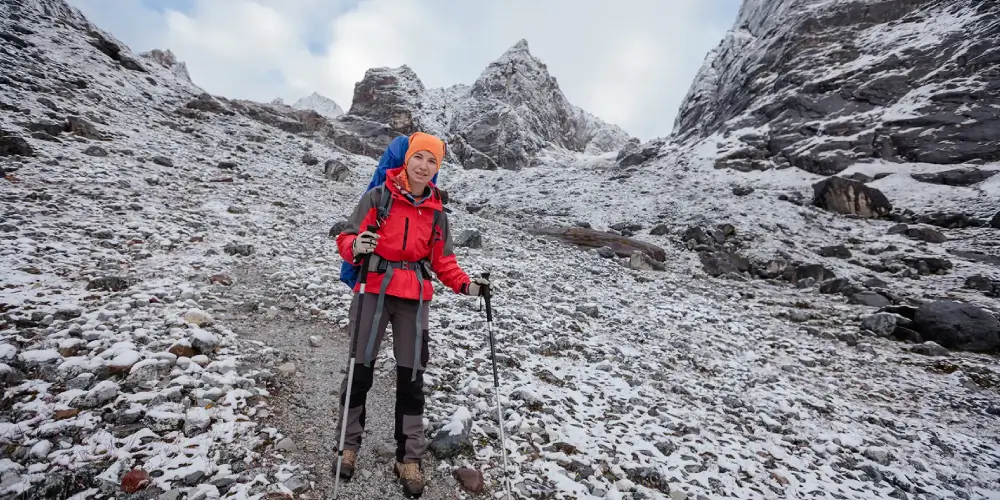
(Salkantay, Ausangate, Lares, most Inca Trail routes)
Many of Cusco’s most famous treks reach elevations above 4,000 meters (13,000 ft). At this altitude, temperatures drop quickly after sunset, even during the dry season.
Add These for High-Mountain Treks
- Heavy insulated jacket (down or synthetic)
- Thermal underwear (sleeping layers)
- Warm insulated gloves
- Extra thick trekking socks
- Dedicated sleeping layers
- Hand warmers (optional but useful)
Treks Where This Is Essential
- Salkantay Trek (3, 4 & 5 days)
- Ausangate Trek
- Lares Trek
- Classic Inca Trail (4 days)
Warmer & Lower-Altitude Add-Ons
(Especially important for Choquequirao)
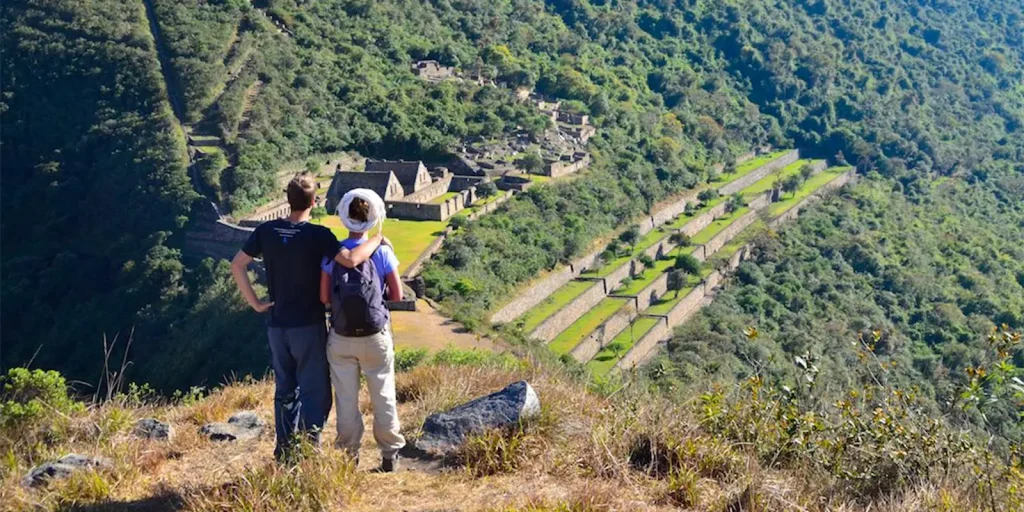
Not all Cusco treks are cold. Some routes involve long days under direct sun, with warmer temperatures and less extreme altitude.
Add These for Warmer Treks
- Extra lightweight trekking shirts
- Breathable long-sleeve sun shirts
- Insect repellent
- Lightweight rain jacket
- Quick-dry underwear
- Electrolyte packets
Treks Where This Applies Most
- Choquequirao Trek
- Lower sections of Lares and Salkantay
Trek-Specific Packing Adjustments
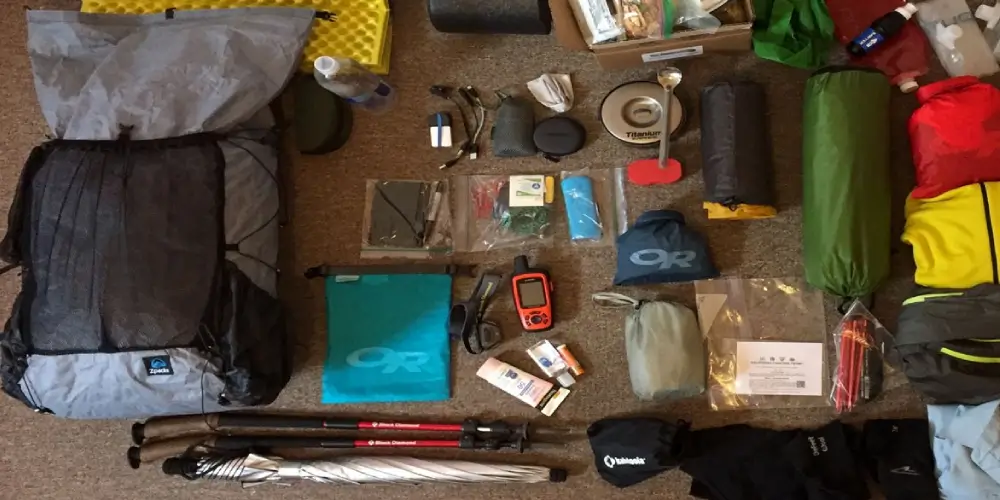
Salkantay Trek
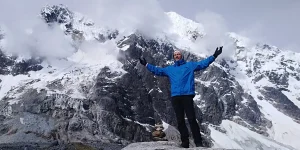
The Salkantay Trek combines high-altitude passes, glacier views, and dramatic weather shifts.
Recommended extras:
- Strong insulation for cold nights
- Sunglasses with high UV protection
- Camera or phone with spare batteries
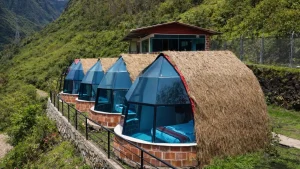
- Comfortable sleepwear (especially when staying in upgraded camps like Sky Domes)
Ausangate Trek
This is the coldest and most remote trek on this list.
Recommended extras:
- Extra base layers
- High-quality insulated gloves
- Thick sleeping socks
- Lip balm and skin moisturizer (extreme dryness is common)
Lares Trek
Lares is unique thanks to its natural hot springs.
Recommended extras:
- Swimsuit
- Lightweight towel (if not provided)
- Sandals for hot springs
- Lightweight evening clothing
Choquequirao Trek
Choquequirao is long, demanding, and much warmer overall.
Recommended extras:
- Wide-brim sun hat
- Extra sunscreen
- Insect repellent
- Lightweight, breathable clothing
- Electrolytes for long, hot climbs
Inca Trail Packing: By Route Type
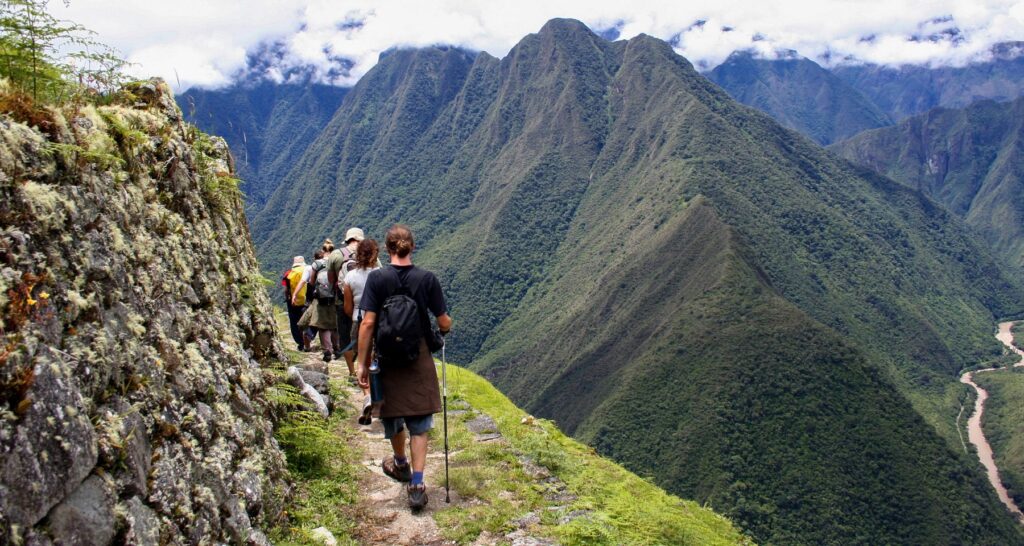
Not all Inca Trail hikes require the same gear.
Classic Inca Trail (4 Days)
This is a full multi-day trek at altitude.
You’ll need:
- Complete layering system
- Rain gear (cloud forest sections)
- Small dry bag
- Extra socks
- Trekking poles (rubber tips required)
Short Inca Trail (2 Days)
This route includes only one full day of hiking and one hotel night.
Key difference:
You do not need to pack like you’re camping for days.
Recommended adjustments:
- Smaller pack
- Fewer clothing layers
- Comfortable walking shoes
- One warm layer for the morning and evening
This is ideal for travelers who want the Inca Trail experience without heavy packing.
Seasonal Packing Tips
Dry Season (May–September)
- Cold mornings and nights
- Clear skies
- Strong sun exposure
Pack extra:
- Warmer insulation
- Sunglasses
- Extra lip and skin protection
Wet & Shoulder Season (October–April)
- Rain possible any day
- Warmer nights
- Muddy trails
Pack extra:
- Reliable rain shell
- Gaiters
- Dry bags
- Quick-dry clothing
What You Don’t Need to Bring
Especially on guided treks.
Leave behind:
- Cooking equipment
- Tents
- Heavy food supplies
- Large backpacks
- Excess water containers
On supported treks, logistics are handled, allowing you to hike lighter and more comfortably.
Pack Smart, Trek Better
Packing correctly can make or break your trek in Cusco.
A lighter pack improves altitude adaptation, reduces fatigue, and makes long days far more enjoyable. By focusing on a strong core kit and adding only what your chosen trek requires, you’ll be prepared for Cusco’s conditions without carrying unnecessary weight.
If you’re unsure what to bring for your specific route, a trek-specific checklist or a guided trek with full support, can take the guesswork out of the process and let you focus on the experience itself.