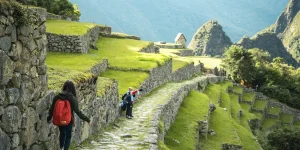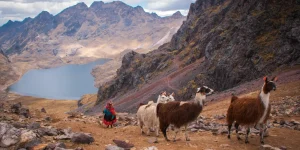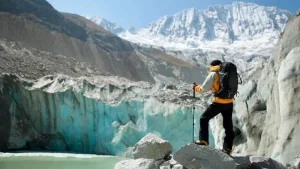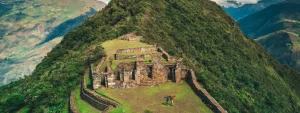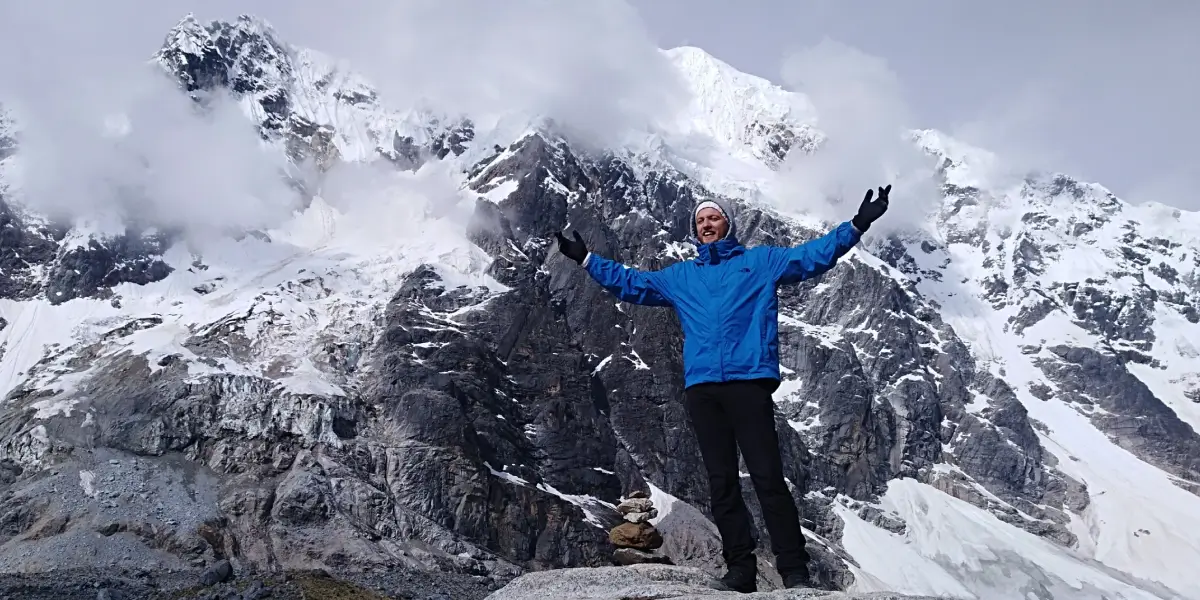
The Salkantay Trek has long been considered one of the most spectacular hikes in Peru. Snow-covered peaks, turquoise lakes, high-Andean valleys, and cloud forest landscapes make it a true alternative to the Inca Trail, not a second option, but a different kind of adventure.
For 2026, the experience has evolved. What was once known as a rugged, camping-only trek now includes Sky Domes on the first two nights, bringing warmth, rest, and panoramic views to one of the highest trekking routes in the Andes.
Today, the real question is no longer whether to do Salkantay, but which route fits you better: 4 days or 5 days?
What All Salkantay Trek Routes Have in Common
Before comparing itineraries, it’s important to understand what doesn’t change between the 4-day and 5-day routes.
Both options include:
- Humantay Lake, one of the most photogenic alpine lakes in Peru
- Salkantay Pass (4,650 m / 15,255 ft), the highest and most dramatic point of the trek
- A transition from high-Andean landscapes to cloud forest
- A final connection to Machu Picchu
- Sky Domes accommodation on Night 1 and Night 2
The landscapes, the highlights, and the sense of scale are the same. What changes is pace, rhythm, and depth of experience.
The Sky Domes Experience: Redefining Salkantay
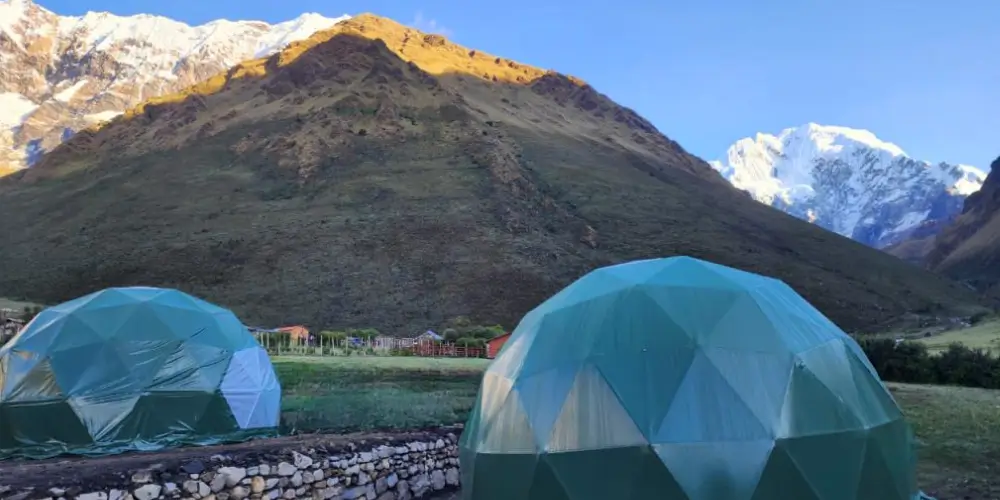
One of the biggest upgrades to the Salkantay Trek is the inclusion of Sky Domes on both the 4-day and 5-day routes.
Night 1: Soraypampa
Set at the foot of the Salkantay glacier, Soraypampa is the coldest night of the trek and the most exposed. The Sky Domes here offer:
- Panoramic views of the Salkantay massif
- Warm beds at altitude
- Private space and silence
- A front-row seat to sunrise and starlit skies
- Wi-fi
Night 2: High-Andean Transition Zone
The second Sky Dome night allows your body to recover after the most demanding sections of the trek.
Why this matters:
- Better sleep = better performance at altitude
- Reduced fatigue before or after the Salkantay Pass
- Comfort without removing the wilderness feeling
- Wi-fi
- Hot tub and sauna for a better rest
For many travelers, Sky Domes turn Salkantay from a survival experience into a memorable, balanced journey.
Salkantay Trek 5 Days: The Full Andean Journey
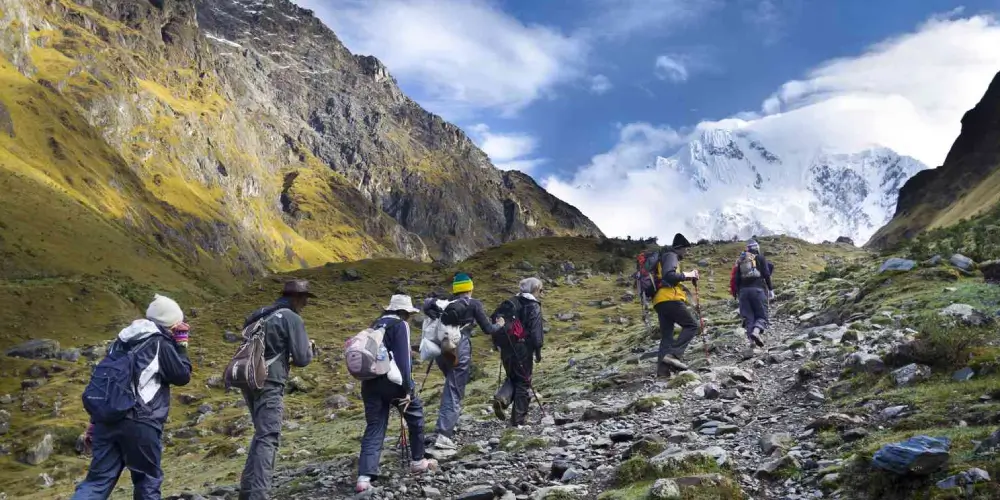
Who This Route Is Best For
- Travelers who want to slow down and absorb the landscapes
- First-time high-altitude trekkers
- Nature lovers and photographers
- Anyone who prefers balance over intensity
How the 5-Day Route Feels
The 5-day itinerary spreads the trek over more time, allowing for:
- Gradual acclimatization
- Balanced hiking days
- More time at viewpoints
- Deeper immersion in changing ecosystems
There’s room to pause, photograph, and breathe.
Why 5 Days Makes a Difference
- Less physical stress day-to-day
- Better altitude adaptation
- More time to enjoy Sky Domes as part of the journey
- A smoother transition from the Andes into the cloud forest
This route feels expansive and complete, not rushed.
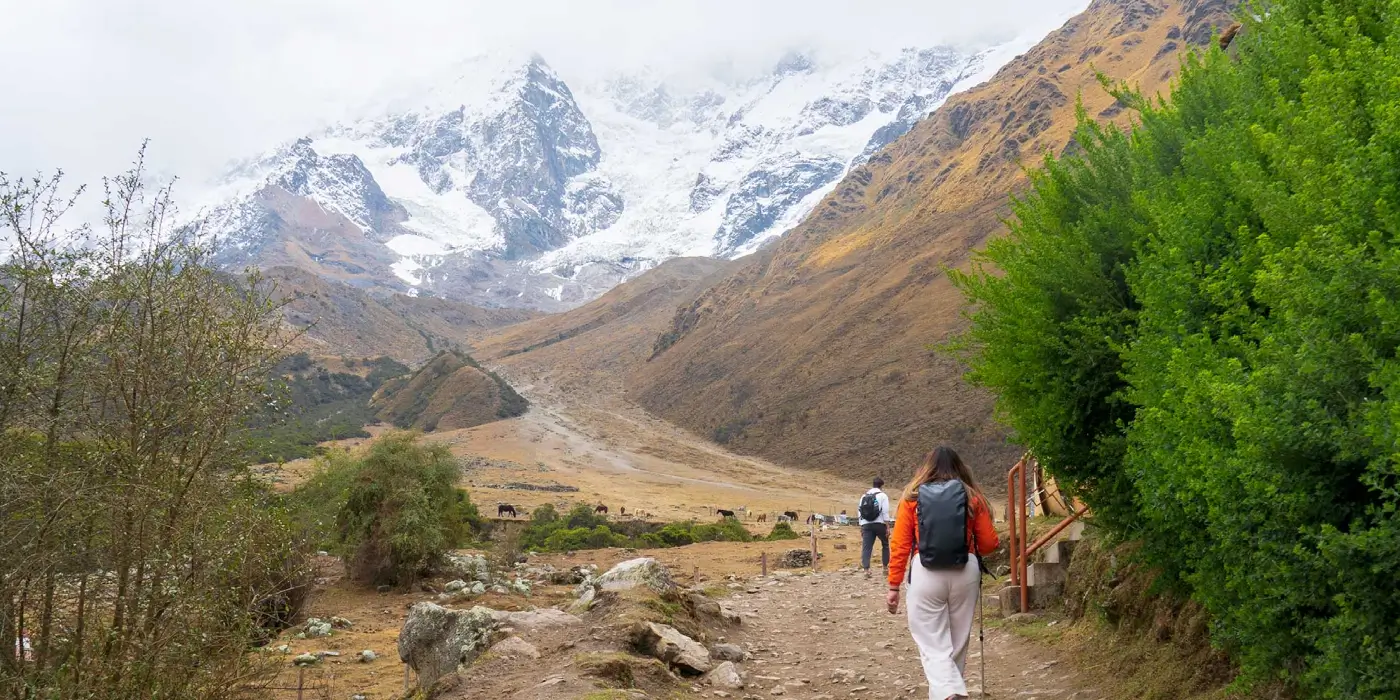
Salkantay Trek 4 Days: Same Highlights, Faster Rhythm
Who This Route Is Designed For
- Fit travelers with limited time
- Experienced hikers
- Travelers combining Salkantay with other Peru destinations
What Changes Compared to 5 Days
- Longer daily hiking distances
- Earlier starts
- A tighter schedule overall
The scenery is identical, but the pace is more demanding.
Why Sky Domes Matter Even More on the 4-Day Route
On a faster itinerary, recovery is critical. Sky Domes:
- Help your body recharge after long hiking days, with the exclusive wet aereas
- Improve sleep quality at altitude
- Make a challenging route feel sustainable
Without the Sky Domes, the 4-day route would feel far more intense. With them, it becomes efficient but still enjoyable.
4 Days vs 5 Days: A Clear Comparison
| Feature | 4 Days | 5 Days |
| Overall pace | Fast | Relaxed |
| Daily effort | Higher | Balanced |
| Acclimatization | Faster | Better |
| Sky Dome nights | 2 | 2 |
| Landscape immersion | High | Very high |
| Best for | Fit, time-limited travelers | Experience-focused travelers |
Key takeaway:
With Sky Domes included on both routes, the decision is no longer about comfort. It’s about how you want to move through the mountains.
What About 3-Day Salkantay Routes?
Shorter versions of the Salkantay Trek do exist, but they are:
- More demanding
- Less time for altitude adaptation
They’re best left to highly experienced hikers. For most travelers, 4 or 5 days offer a far better balance of challenge, safety, and enjoyment.
Guided vs Independent Trekking on Salkantay
Why Most Travelers Choose Guided
- Guaranteed access to Sky Domes
- All logistics handled (meals, camps, transport)
- Safety and pacing at altitude
- Local knowledge and cultural context
Independent Trek Reality
- No Sky Dome access
- More planning stress
- Weather and navigation risks
- Limited flexibility with camps
On a route as remote and high as Salkantay, guided trekking doesn’t limit the experience, it enhances it.
Best Time to Do the Salkantay Trek in 2026
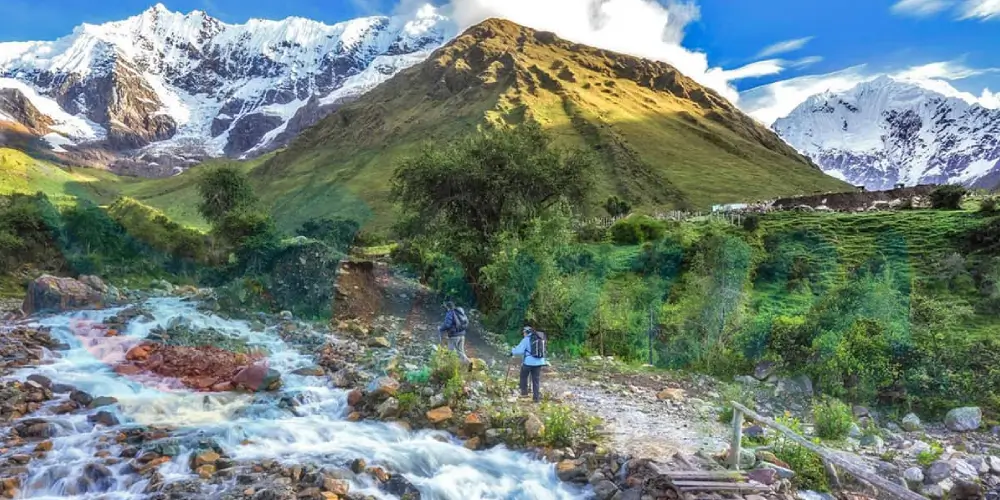
- May to September: Best weather, cold nights, clear skies
- Shoulder seasons (April & October): Fewer crowds, changing conditions
- Sky Domes are especially valuable in colder months, offering warmth and rest when it matters most
Which Salkantay Route Should You Choose?
- Want the most complete experience → 5 Days
- Short on time but physically fit → 4 Days
- First high-altitude trek → 5 Days
- Value comfort without losing adventure → Either route, Sky Domes included
Same Mountains, Two Ways to Experience Them
The Salkantay Trek hasn’t changed, the glaciers, valleys, and passes remain as powerful as ever. What has changed is how travelers experience them.
With Sky Domes now included on both 4-day and 5-day routes, you no longer have to choose between adventure and comfort. The real choice is pace, rhythm, and depth.
Whichever route you take, Salkantay remains one of Peru’s most unforgettable journeys, and one that rewards those who choose it wisely.