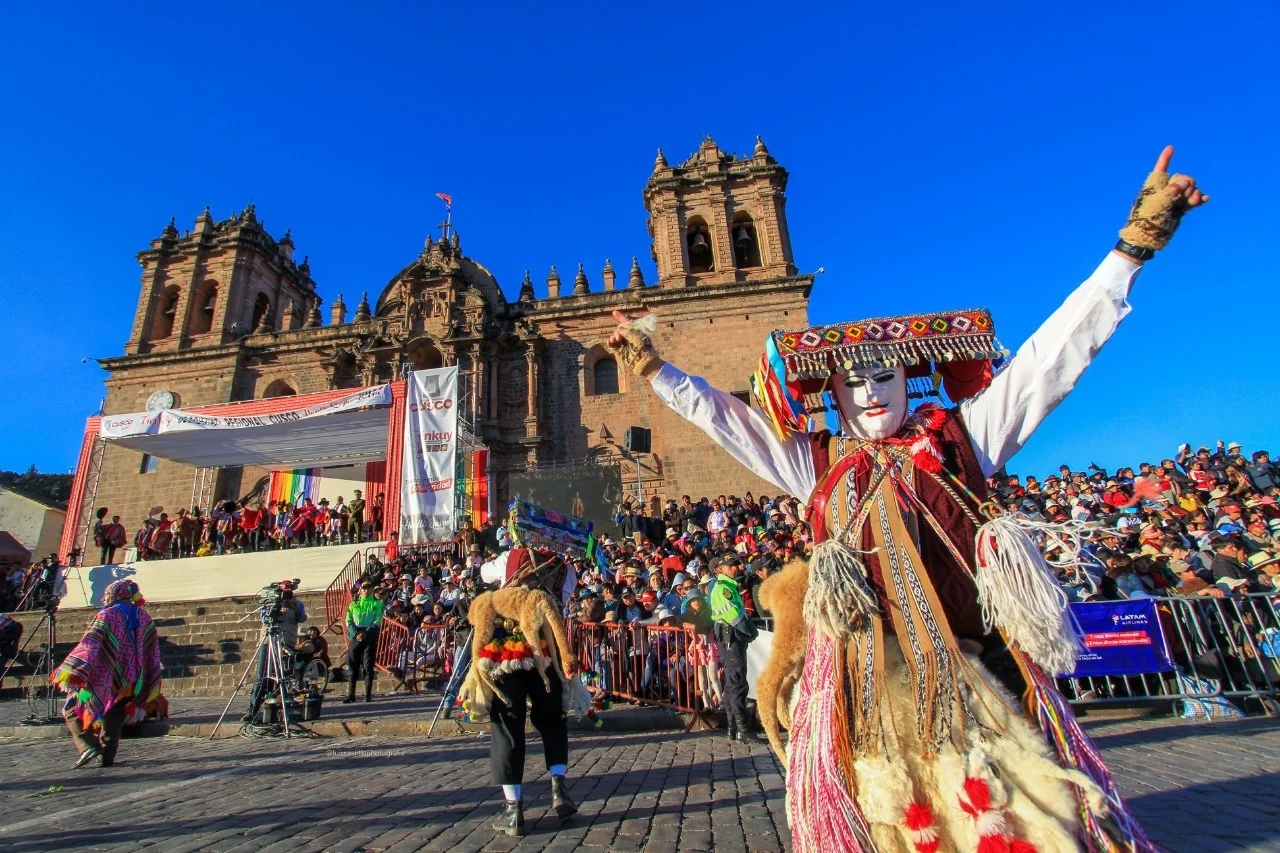
By February, Cusco lives at a different rhythm. Rains are still here and the air smells like chicha. Echoing drums can be heard in every neighborhood. Decoration everywhere adds color and joyfulness, proper for the festivities and celebrations. Carnival in the Andes is a blend between local traditions and religious celebrations brought by the Catholics.
Opposite from the assumption that the dry season is exclusively the best time to visit Cusco. I will share in this blog my impressions of one of the best cultural displays and immersive experiences in Cusco. How these weeks of celebration show the most joyful side of the local culture, with traditional parades, dances, water fights, and blessings of the harvest.
Heart of the celebrations
Día de los compadres y las comadres: Godfathers’ and Godmothers’ days are the celebrations that start the carnival festivities. They take place on the first and second Thursday before the Sunday of Carnival or main day. Godparents are celebrated and there are parades, churches bring out their saints to celebrate with dances and the traditional puchero is enjoyed in these festivities. During this period, artists will make figures in allusion to social criticism and political issues.
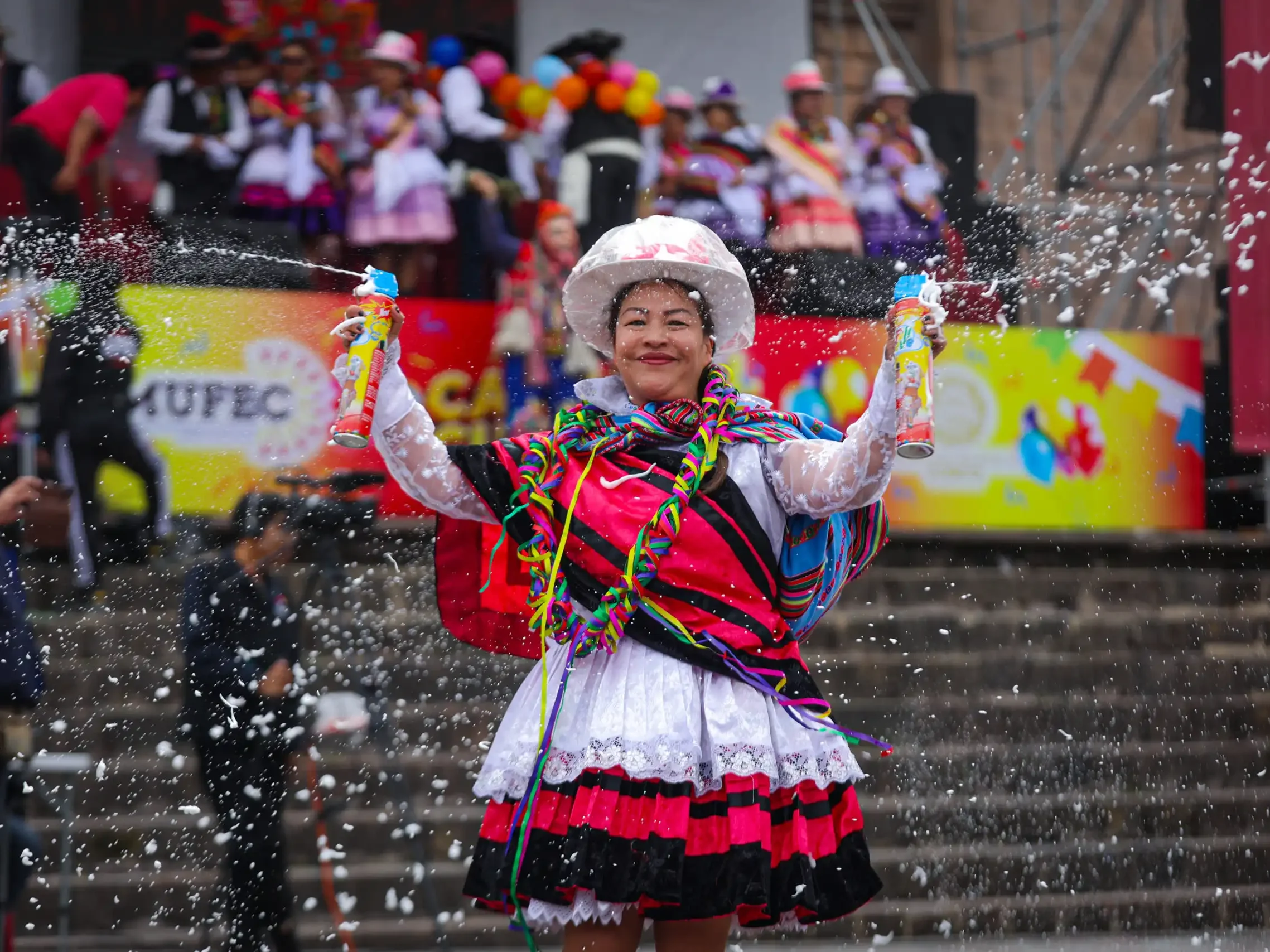
Día Central: This is the main day of the celebrations; water balloon fights are an important part of the celebrations. This game usually includes colored powders, colorful serpentines and foam. During this day there are processions too, catholic faith displays to start the religious Quarantine.
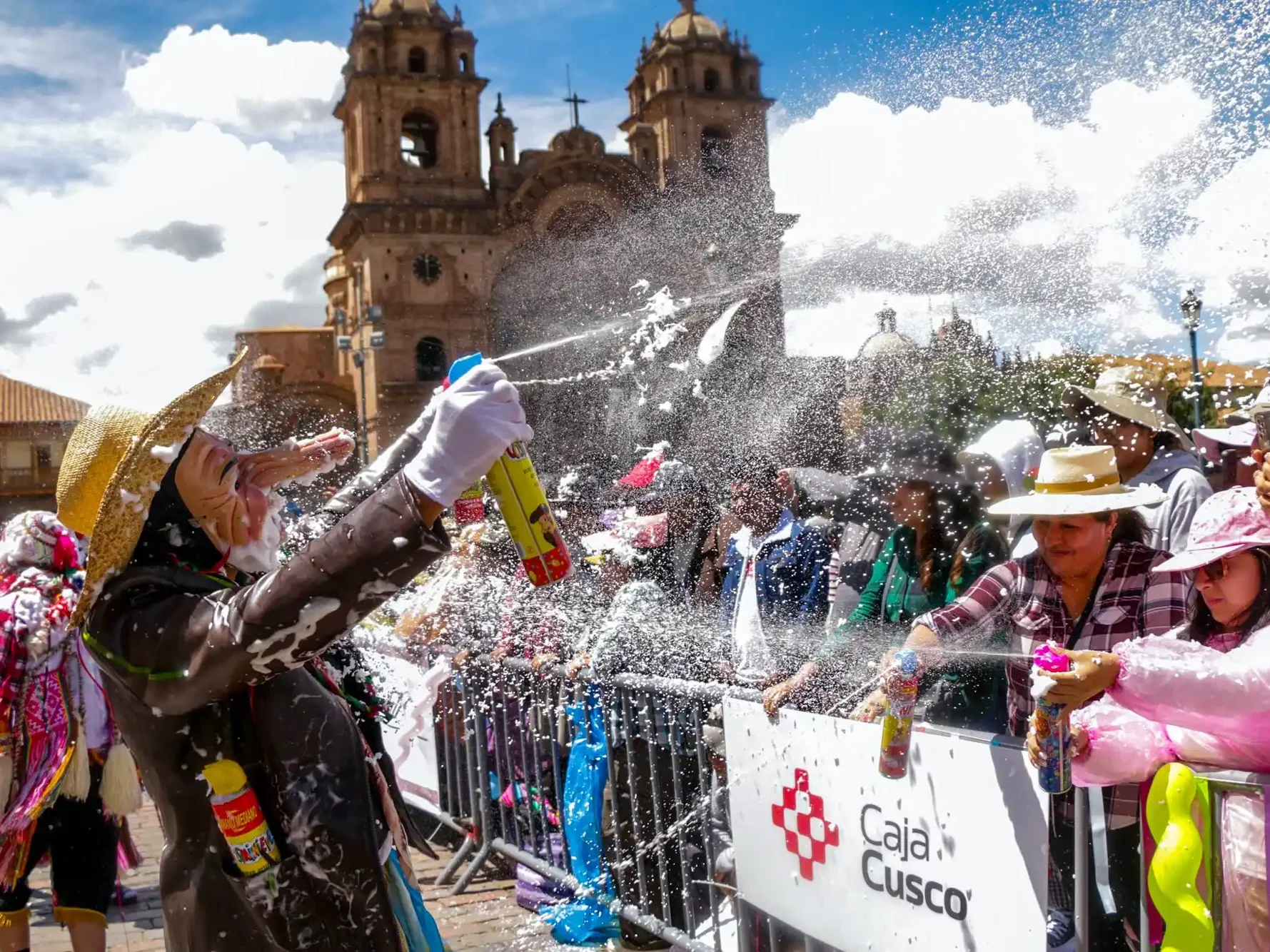
Kacharpari: This is the closure celebration of the Carnival, which is celebrated with the last dances and parades. Also, this is the last chance to enjoy the puchero.
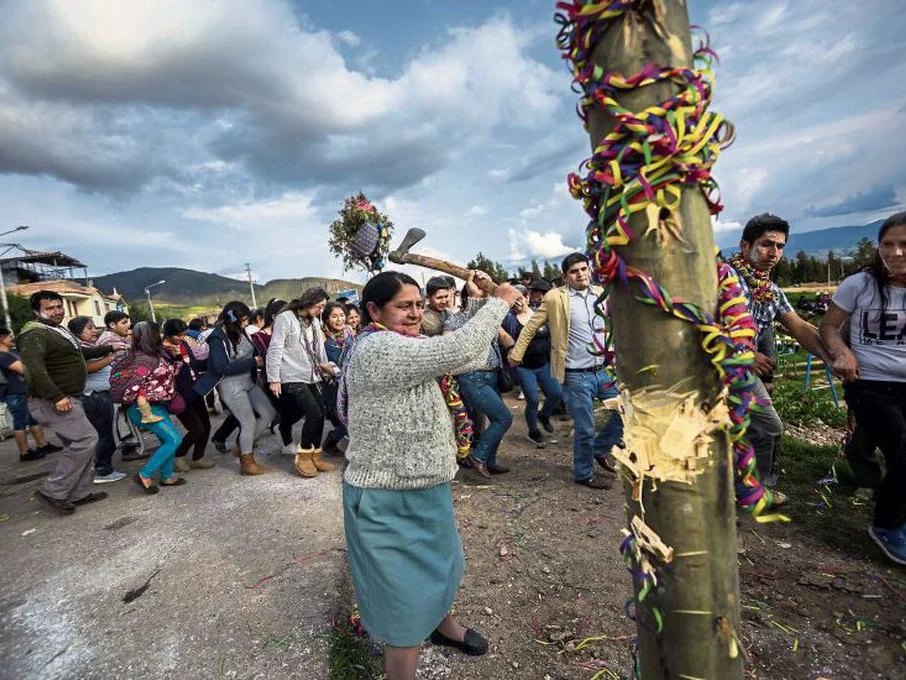
The Yunza: A tall tree in an open space, decorated with balloons, streamers, buckets of water, and hanging gifts that children and adults will later scramble to collect. Communities gather in a circle, dancing around the tree while taking turns swinging an axe at its trunk. When the tree goes down, the crowd rushes forward to grab the gifts, and the person who lands the final blow becomes next year’s host.
What to do between celebrations?
The Carnival celebrations extend over a few weeks and they are celebrated in the whole region. Traveling in the region to experience the peculiarities in the festivities in each area will add to the immersive character of your trip.
My top 3 activities from Cusco are:
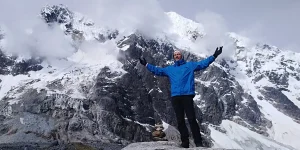
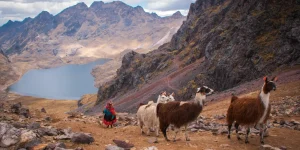
Taking a break during the celebrations to explore sites and enjoy the outdoors. This is the perfect moment as the crowds are still away and you can join these activities better.
Where to stay?
Even when this is not high touristic season, accommodation prices can go up a little bit. So, if you are planning to spend a little longer enjoying the festivities a more flexible lodging can be a good option.
In Cusco, stay close to the Plaza de Armas. A lot of the celebrations take place in this area and from here you can visit other districts easily. Check Sam Apartment, an Airbnb unit strategically located.
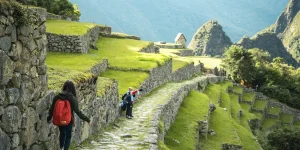
In the Sacred Valley you could connect a tour visiting the best Inca and pre-Inca archeological complexes with a visit to Machu Picchu. This, with an overnight stay at Andenes del Inca in Ollantaytambo, the getaway town to visit Machu Picchu.
Beyond Carnival
A visit to the Imperial city of Cusco is always a good plan, from this touristic hub you can join many of the most beautiful tours available. You can also immerse in the local culture, explore the wild in the Andean backcountry or delve into the local history and culture.
If you are into photography, enjoying real cultural displays, joining local festivities and open to learn about different cultures in the world this is your time to be in Cusco. A season with the best landscapes, less crowds and tons of activities to join and enjoy.