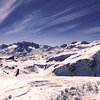
High in the southern Peruvian Andes, far from paved roads and crowded trails, lies one of the most important glacial formations on the planet. The Qelqaya Glacier, also known as the Quelccaya Ice Cap, is a living archive of Earth’s climate history.
Visiting Qelqaya is about stepping into a remote, high-altitude environment where scale, silence, and raw geography take center stage.
Where Is Qelqaya Glacier Located?
Qelqaya Glacier is located in southern Peru, within the Cusco Region, near the border with Puno, in the Vilcanota mountain range.
- Altitude: approximately 5,200–5,600 meters (17,060–18,370 ft)
- Nearest major city: Cusco
- Access area: Provinces of Canchis and Melgar
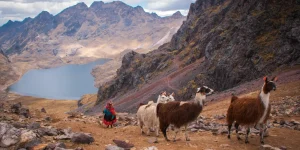
- Environment: high-Andean plateau (altiplano), glacial valleys, alpine lakes
Reaching Qelqaya requires a combination of long road travel and hiking through sparsely populated terrain. There are no tourist towns or infrastructure near the glacier itself, its isolation is part of what defines the experience.
Why Is Qelqaya Glacier Relevant?
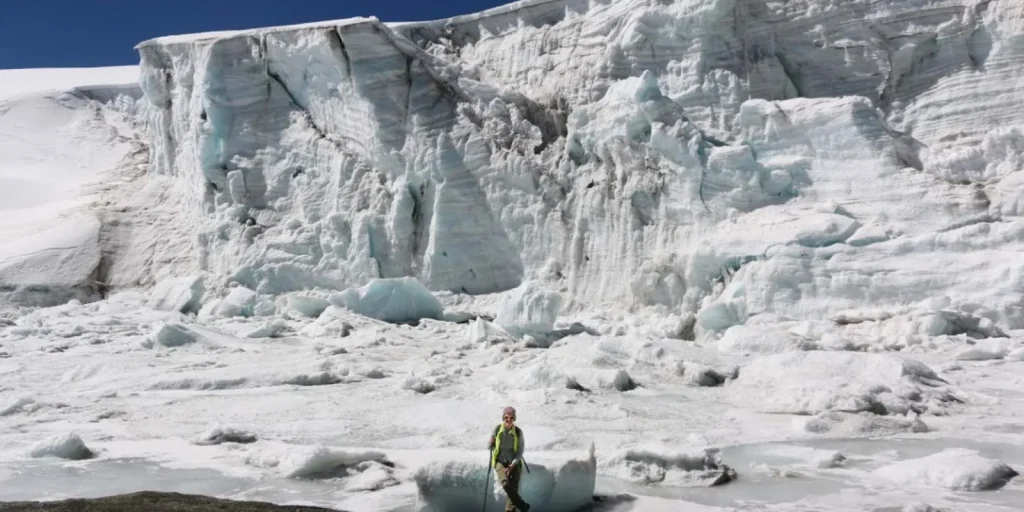
Qelqaya is the largest tropical ice cap in the world, covering roughly 44 square kilometers at its maximum recorded extent. What makes it globally significant is not just its size, but its location.
Because it sits in the tropics, Qelqaya is extremely sensitive to temperature changes. Ice cores extracted here have provided scientists with climate records spanning over 1,500 years, offering insight into past atmospheric conditions, volcanic activity, and long-term climate cycles.
For Andean communities downstream, the glacier also plays a critical role as a water source, feeding rivers and wetlands during the dry season.
Why Visit Qelqaya Glacier?

A visit to Qelqaya is for travelers seeking a deeper connection with the Andean landscape, beyond classic trekking routes.
What sets it apart:
- Immense glacial scale rarely seen at tropical latitudes
- A strong sense of remoteness and exploration
- Minimal foot traffic compared to popular Cusco hikes
- A chance to witness an environment undergoing rapid change
This is not a polished or comfortable attraction. It is raw, exposed, and deeply memorable.
What Is the Experience Like?
Most visits to Qelqaya involve multi-day journeys, often combined with camping and gradual altitude gain.
Expect:
- Long driving days across remote highlands
- Hiking over rolling terrain rather than steep trails
- Cold mornings, intense sun, and fast-changing weather
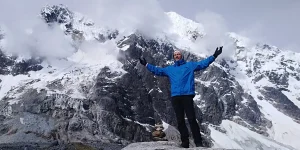
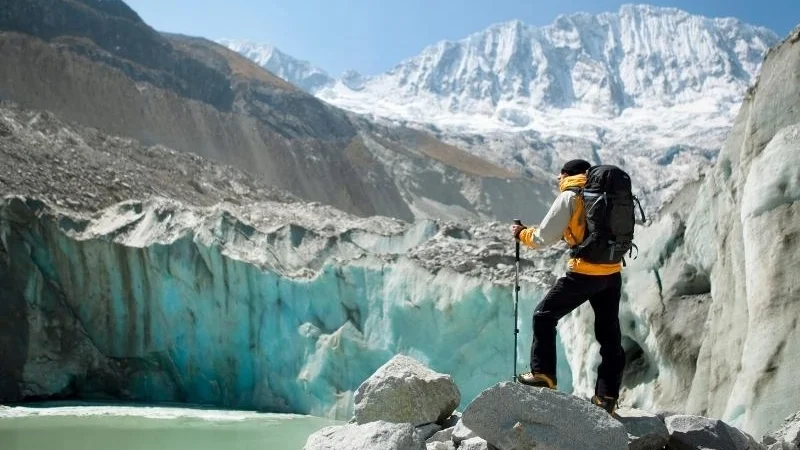
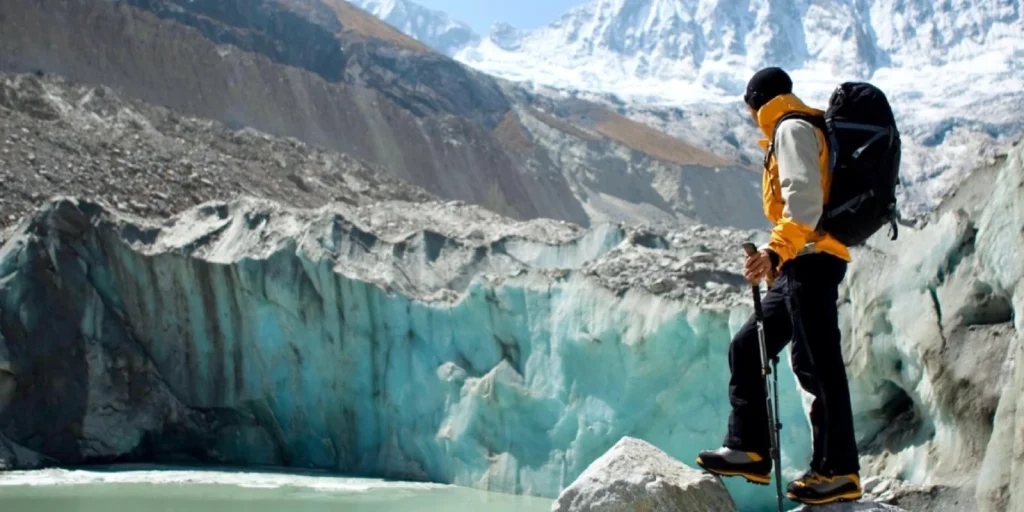
- Views of glacial tongues, ice walls, and meltwater lakes
The terrain is generally non-technical, but the altitude and weather make it physically demanding. This is an expedition-style experience rather than a casual hike.
When Is the Best Time to Visit Qelqaya Glacier?
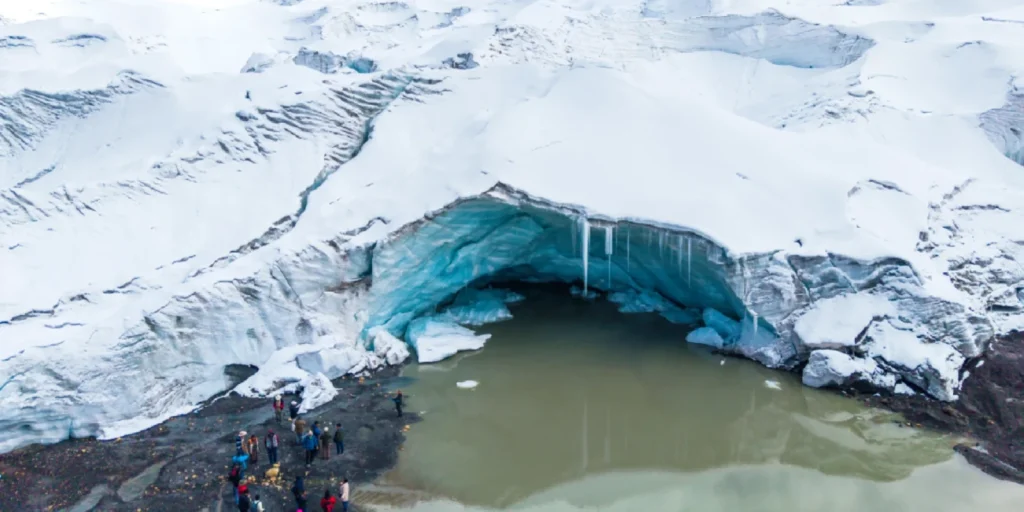
The best time to visit Qelqaya Glacier is during the dry season, from May to September.
Dry Season (May–September)
- More stable weather
- Clearer skies and better visibility
- Colder nighttime temperatures
- Safer trail and road conditions
Temperatures near the glacier remain cold year-round, often dropping well below freezing at night.
Who Is This Trip For?
Qelqaya Glacier is best suited for:
- Experienced hikers comfortable at high altitude
- Adventure travelers seeking remote destinations
- Photographers and documentarians
- Travelers interested in climate, geography, or science
It is not recommended for:
- First-time high-altitude travelers
- Families with young children
- Travelers looking for comfort-focused experiences
Preparation and acclimatization are essential.
How to Get to Qelqaya Glacier
Travel typically begins in Cusco, followed by:
- A full day of driving through the southern Andes
- Access via rural roads to high-altitude trailheads
- Hiking or multi-day trekking to reach the glacier viewpoints
Because of the remoteness, organized logistics, local knowledge, and weather planning are critical for a safe visit.
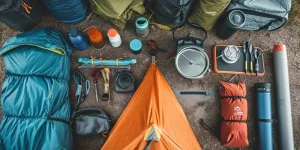
What to Pack for a Qelqaya Glacier Visit
Clothing
- Insulated down or synthetic jacket
- Thermal base layers
- Waterproof shell jacket and pants
- Warm gloves, hat, and neck protection
Footwear
- Waterproof hiking boots with good insulation
- Warm trekking socks
Equipment & Essentials
- Backpack suitable for cold conditions
- Sun protection (hat, sunglasses, high-SPF sunscreen)
- Reusable water bottles or hydration system
- High-energy snacks
Optional but Recommended
- Trekking poles
- Headlamp with spare batteries
- Personal first-aid kit
Safety, Altitude & Environmental Considerations
- Proper acclimatization is essential due to extreme altitude
- Weather can change rapidly, layers and wind protection are crucial
- No technical glacier travel is required, but caution near ice edges is necessary
- Leave No Trace principles are vital in this fragile ecosystem
Interesting Facts About Qelqaya Glacier
- It is the most studied tropical glacier on Earth
- Ice cores from Qelqaya have revealed evidence of ancient droughts and volcanic eruptions
- The glacier has lost a significant portion of its mass in recent decades
- Meltwater from Qelqaya feeds multiple river systems in southern Peru
How Qelqaya Fits Into a Longer Peru Adventure
Qelqaya pairs naturally with:
- Ausangate region treks
- High-altitude expeditions in southern Cusco
- Remote Andean exploration routes rarely visited by mainstream tourism
It is an ideal extension for travelers who want to go beyond classic trekking circuits.
Is Qelqaya Glacier Worth the Effort?
For travelers willing to prepare properly and embrace the realities of high-altitude travel, it offers a rare opportunity to witness one of the planet’s most important glacial environments, far from crowds and commercialization.
It is a destination that leaves a lasting impression. Is quiet, vast, and deeply connected to the future of the Andes.