Arriving at Waqrapukara
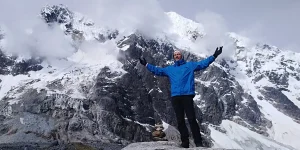
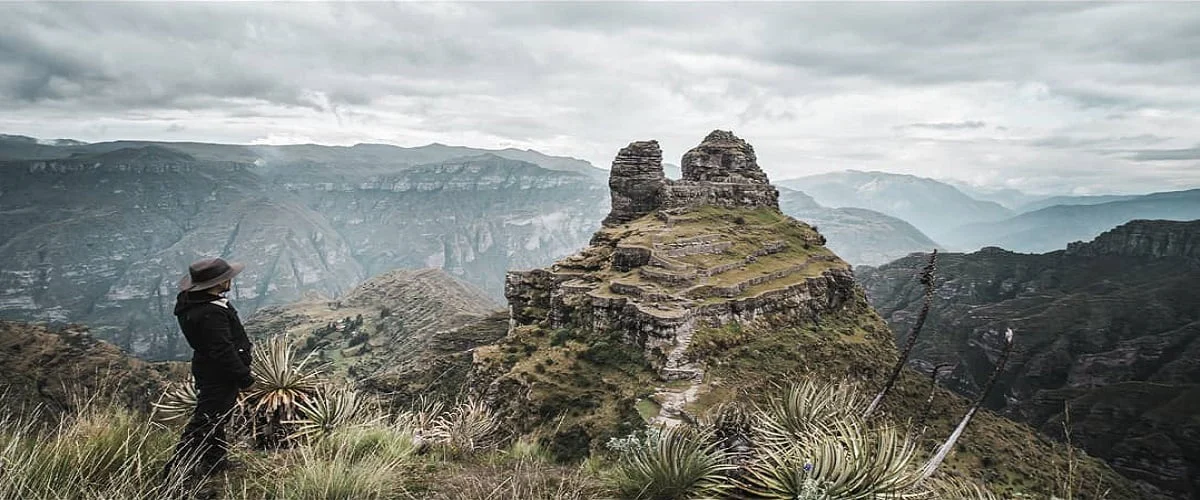
Reaching Waqrapukara doesn’t feel like a typical day trip from Cusco, it feels like stepping into a hidden world. As you approach the final ridge, the mountains pull back and the view drops open into the vast Apurímac Canyon. There, perched on a narrow stone platform, the fortress appears: quiet, commanding, and perfectly aligned with the twin horn-shaped towers that give it its name (Waqra = horn, Pukara = fortress).
It’s remote, silent, and visually unforgettable. Without crowds, vendors, nor background noise. Just wind brushing the cliffs and an Inca sanctuary built on a place that seems intentionally difficult to reach.
Because Waqrapukara sits far beyond Cusco’s usual circuit, only a small number of travelers make it this far. But those who do are rewarded with something rare in the Andes: an atmosphere that feels untouched, a landscape that still holds its original power, and a sense of discovery that’s becoming harder to find near major archaeological sites.
Why Visit Waqrapukara?
Because Waqrapukara blends archaeology, solitude, and scenery in a way very few places can. Machu Picchu impresses with its scale and perfection; Waqrapukara impresses with its audacity: the Incas built a ceremonial fortress on a razor-edge ledge that looks almost impossible to reach. It’s bold, improbable, and unforgettable.
Stats
- 4,150 m / 13,615 ft above sea level
- High altitude conditions year-round
- Cold, dry wind exposure at the viewpoint and summit
Routes to Waqrapukara
There are multiple access points, each with different distance and difficulty levels:
1. Santa Lucía Route: Most Popular
- Distance: 15 km roundtrip
- Duration: 6–7 hours
- Difficulty: Moderate
- Highlights: Open puna landscapes, views of the Apurímac canyon
2. Pomacanchi Route: Shorter but Steeper
- Distance: 8–10 km roundtrip
- Duration: 4–5 hours
- Difficulty: Moderate to challenging
- Highlights: Direct access to the ridge near the site
3. Sangarará Route: Longest and Most Scenic
- Distance: 18 km
- Duration: 7–8 hours
- Difficulty: Challenging
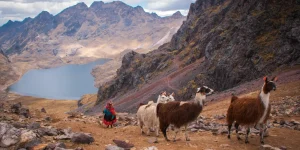
- Highlights: High-altitude lakes, Andean camelid herds, dramatic canyons
Difficulty
- Mostly moderate, but altitude plays a major role
- Trails mix dirt, rock steps, and exposed ridge sections
- Some steep descents approaching the site
- Not ideal for travelers without acclimatization
What to Bring
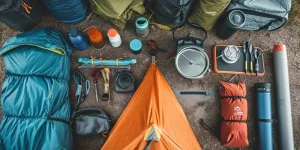
- Layers for changing temperatures
- Windbreaker
- Sun protection (high UV index)
- Snacks + at least 1.5L water
- Hiking poles recommended
- Gloves + hat in dry season mornings
- Phone battery pack for photos
- Entrance ticket or cash for community-controlled access (varies by route)
Best Season to Visit
Dry Season: April–October
- Clear skies and the most stable conditions
- Cold mornings + strong sun midday
- Best visibility for photography
Best Photography Spots
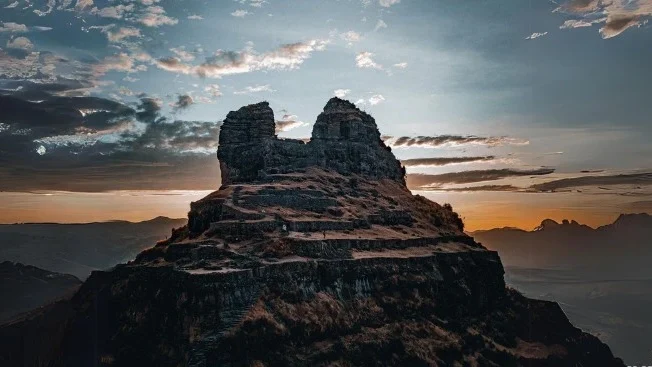
Some of the best moments at Waqrapukara come from its viewpoints: the iconic ridge where the horned skyline appears for the first time, the terraces that open directly toward the Apurímac Canyon, the quiet platform behind the ceremonial sector where the canyon splits in both directions, and of course the twin waqras glowing in the soft light of sunrise or late afternoon.
Pro tip: bring a wide-angle lens, the scale of the canyon is far bigger than it looks.
Visiting Waqrapukara with 69 Explorer
Choosing to visit Waqrapukara with 69explorer means choosing a trip crafted for travelers who want more than a standard tour: you want authenticity, comfort where it matters, and a team that genuinely knows the Andes. Our local specialist guides are from the region, deeply connected to its traditions, and fully trained to lead you through this remote high-altitude landscape with confidence and care. Every detail is handled: round-trip transport, Andean breakfast, trail briefing, expert guiding, entry fees, lunch, and the kind of personal attention that turns a long hike into an unforgettable experience.
What the Day Looks Like
Your adventure starts early, with a 04:00 AM pickup from your hotel as Cusco is still waking up. We head south through the quiet highlands, stopping in Cusipata for a warm Andean breakfast before continuing toward the open puna and the calm waters of Pomacanchi Lake, a peaceful pause with views of the surrounding peaks.
From here we continue to Wayki, the trailhead, where your guide leads a quick but thorough briefing before the hike. The ascent gains about 550 meters over roughly 3 hours, following the rim of the Apurímac Canyon. Along the route, we stop to explore ancient cave pictographs and several panoramic lookout points where the canyon opens in dramatic layers.
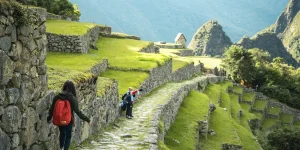
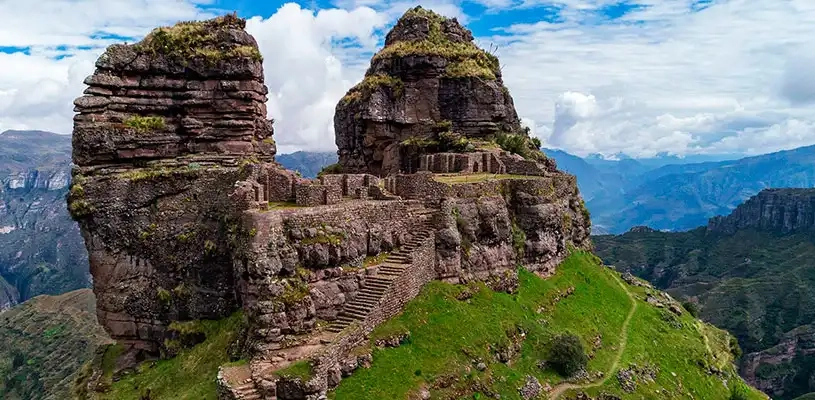
As you approach the final ridge, the landscape widens and Waqrapukara reveals itself, perched at 4,140 meters, framed by the twin stone “horns” that make this place so iconic. You’ll explore terraces, plazas, ceremonial platforms, and cliffside viewpoints with your guide, then enjoy free time to wander, breathe, and take it in.
After soaking up the silence and the scenery, we descend to enjoy a well-deserved lunch with a view, then drive back through the highlands, arriving in Cusco around 18:00–18:30 PM.
FAQS
The best time to visit is during the dry season (May–October), when skies are clearer and the trail is more stable. You can visit year-round, but expect possible rain and muddy sections from November to April.
Technically yes — the trail is accessible — but going solo is not recommended. The route is remote, poorly marked in areas, and weather can shift quickly at high altitude. Traveling with a guide ensures safety, navigation, transportation, and cultural insight, especially since the site sits at 4,140 meters.
Both make great day trips, but they offer completely different experiences.
Waqrapukara is about hiking, landscapes, solitude, and an Inca sanctuary perched above the Apurímac Canyon.
Qeswachaka centers on the last surviving Inca rope bridge, a living tradition rebuilt every year by local communities.
If you’re looking for wilderness, viewpoints, and archaeology — choose Waqrapukara. If you’re drawn to culture, tradition, and community history — choose Qeswachaka. Many travelers enjoy doing both.
Yes. Because Waqrapukara sits at 4,140 meters, we strongly recommend at least 2–3 days of acclimatization in Cusco before hiking. This helps reduce altitude issues and makes the entire experience more enjoyable.
The top-rated operators for this route are:
• 69explorer – Great balance of comfort, reliable logistics, and strong local knowledge. Ideal if you want a safe, seamless experience with personal attention.
• SamTravel – Known for responsible tourism and community-focused operations. Good for travelers who value ethical travel and local impact.
• OrangeNation – Specializes in more adventurous, off-the-beaten-path itineraries. Best for hikers seeking something rugged and less crowded.